How Early Childhood Education Supports Speech, Social Skills, and Emotional Development Before Kindergarten

How Early Childhood Education Supports Speech, Social Skills, and Emotional Development Before Kindergarten

How Early Childhood Education Supports Speech, Social Skills, and Emotional Development Before Kindergarten

How Early Childhood Education Supports Speech, Social Skills, and Emotional Development Before Kindergarten

How Early Childhood Education Supports Speech, Social Skills, and Emotional Development Before Kindergarten

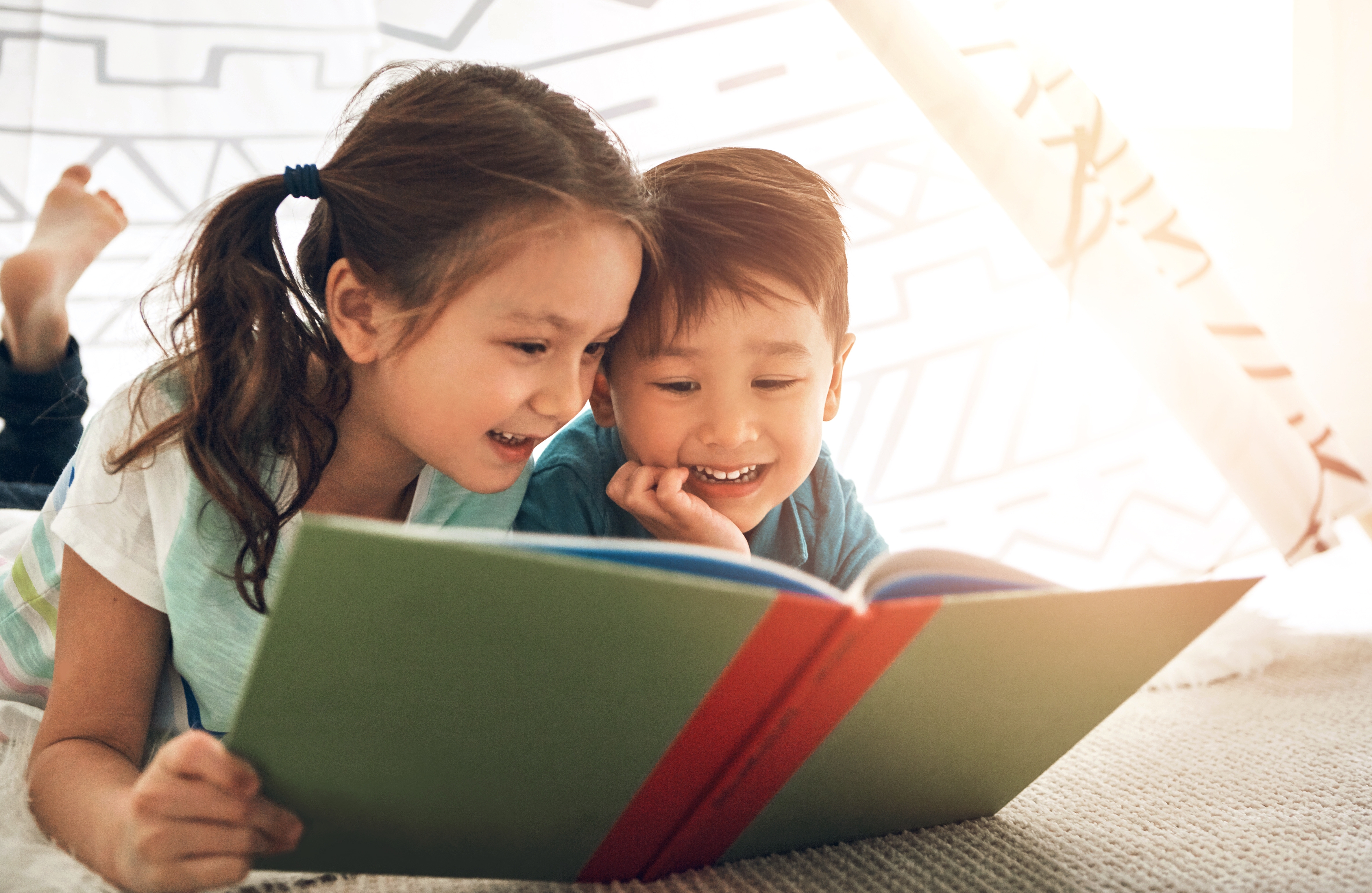
Before kindergarten, children are developing the communication, social, and emotional skills they will use every day in school. Early childhood education gives young children a structured, nurturing place to practice those skills through play, routines, group activities, and guided interaction.
For many families, preschool and pre-K are not only about learning letters, numbers, and shapes. They are also about helping children learn how to express themselves, listen to others, manage emotions, and build confidence in a group setting. These early experiences can make the transition into kindergarten smoother and more positive.
How Early Childhood Education Supports Speech Development
Language grows through everyday conversation. In an early childhood education setting, children hear new words, ask questions, sing songs, listen to stories, and learn how to explain what they need or feel. These repeated moments help build vocabulary, sentence structure, listening skills, and confidence with communication.
Teachers also model clear language during play and routines. A child may learn to describe what they are building, ask a friend for a turn, talk about a picture in a book, or follow multi-step directions. These small interactions support speech development in natural, age-appropriate ways.
Group activities, music, story time, and imaginative play can also help children practice sounds, rhythm, memory, and conversation skills. Over time, this helps prepare children to communicate more comfortably with teachers and classmates in kindergarten.
Social Skills Grow Through Play And Routine
Young children learn social skills by practicing them with peers. Early childhood education gives children daily opportunities to share, take turns, cooperate, solve small conflicts, and participate in group activities.
Through guided play, children begin to understand how their actions affect others. They learn how to join a game, wait patiently, ask for help, and respond when another child has a different idea. These social experiences are important because kindergarten often requires children to follow classroom routines, work in groups, and build friendships.
Key social skills children may develop before kindergarten include:
- Taking turns during play and group activities
- Sharing materials and classroom space
- Listening when others are speaking
- Using words to ask for help or express needs
- Building confidence around teachers and peers
These skills take time to develop. A supportive childcare or preschool environment helps children practice them in a safe and encouraging way.
Emotional Development Starts With Feeling Safe
Emotional development is closely connected to feeling secure. When children have caring teachers, consistent routines, and a warm classroom environment, they are more likely to explore, participate, and try new things.
Before kindergarten, children are learning how to recognize feelings, manage frustration, separate from caregivers, and adjust to transitions. Early childhood education supports these milestones by helping children name emotions and learn healthy ways to respond.
For example, a teacher may help a child use words when they feel upset, take a break when they feel overwhelmed, or try again after a challenge. These moments help children build resilience and self-regulation, which are important for school readiness.
Why Kindergarten Readiness Starts Early
Kindergarten readiness is about more than knowing the alphabet. Children benefit from being able to communicate, follow routines, interact with peers, and manage emotions in a classroom setting. Early childhood education supports the whole child by combining learning, play, structure, and social connection.
When speech, social skills, and emotional development are nurtured before kindergarten, children can enter school with greater confidence. They are better prepared to listen, participate, make friends, and handle new experiences.
Give your child a strong foundation before kindergarten with Scalliwags Child Care. Visit us in Wellesley, Needham Heights, or Needham, MA, or call (781) 328-1616 to learn more about our preschool program.
What
We Offer
Keep
In Touch
© 2026 Scalliwags Child Care - All Rights Reserved - Accessibility Statement - Privacy Policy - Sitemap
Powered by 